ASC's Intersections Newsletter — March 27, 2026
🎧 Listen to this article
Nora's Note
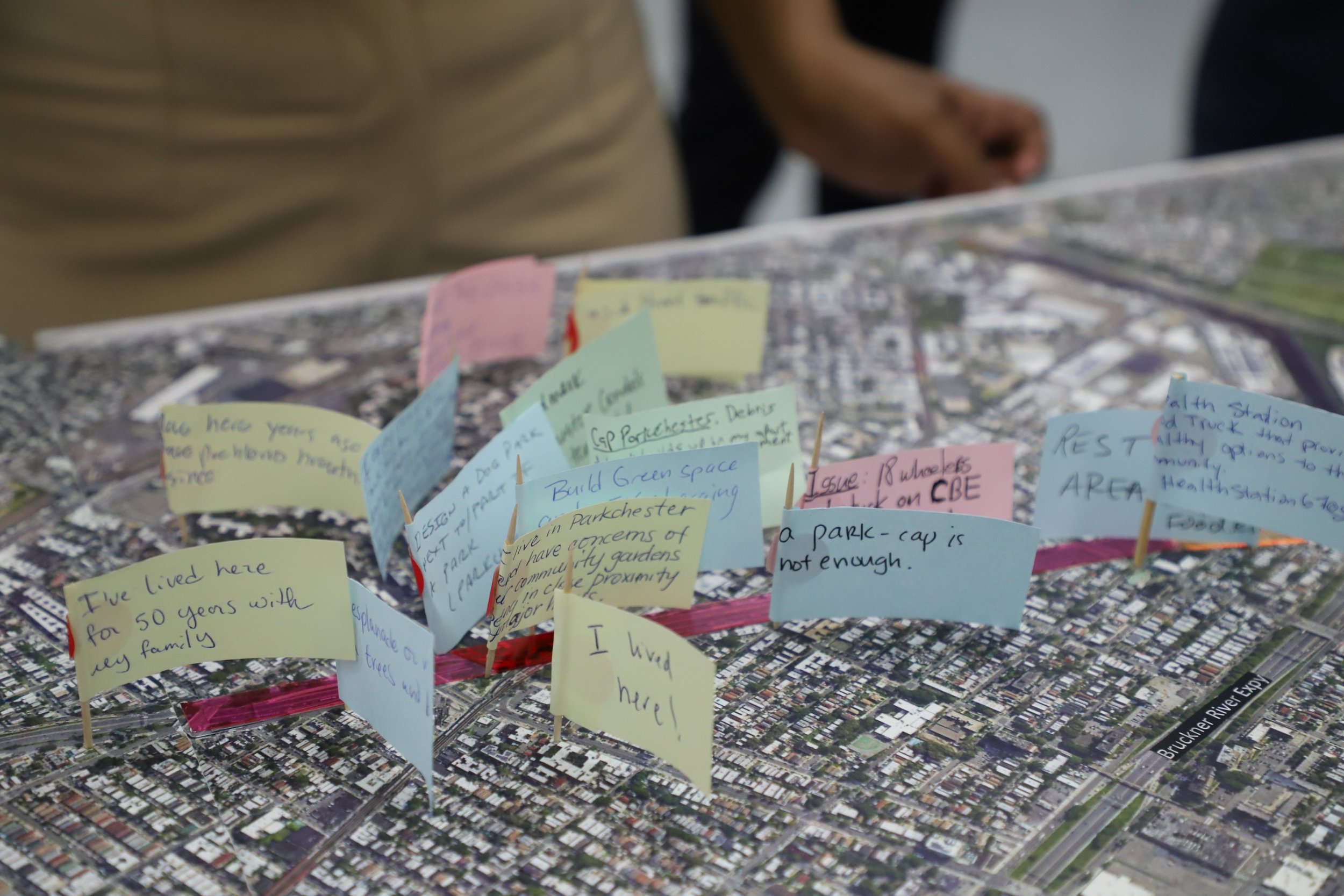
Ten Ways to Increase Turnout and Make Public Meetings More Meaningful
Getting people to show up, and participate in a meaningful way, at town halls and open houses is a challenge for almost every public-facing initiative. Most of the time, low turnout is not about lack of interest. It is about relevance, trust, timing, access, and how clearly the invitation answers the question, “Why should I come?” Here are ten proven ways to close that gap and build stronger participation.
1. Start with what people care about
People are more likely to attend when the event is clearly connected to the issues affecting their daily lives, whether that is housing, safety, schools, transportation, or taxes. The reason to show up should be obvious right away.
2. Reach people in more than one place
A single email is rarely enough. Strong outreach usually means using a mix of channels, such as email, social media, text messages, and community partners, so the message reaches people where they already are.
3. Work with people the community already trusts
Local leaders, neighborhood groups, and community organizations can often open doors in ways official outreach cannot. Trust matters, and who delivers the message matters too.
4. Give people more than one way to participate
Not everyone can attend in person. Offering a virtual option alongside an in-person event can make participation much more accessible.
5. Make it easier to attend
Timing and location can make or break turnout. Evening events, weekend options, familiar venues, and support like childcare or transportation can remove barriers that keep people away.
6. Make the event feel like a conversation
People are more likely to engage when they feel included. Polls, Q&A, small group discussion, and other interactive elements help create a more useful and welcoming experience.
7. Be honest about why their input matters
People want to know what will happen with their feedback. Be clear about how input will be used and what decisions it can help shape.
8. Do not underestimate a small incentive
Refreshments, giveaways, or raffles are not the whole reason people come, but they can help, especially for open houses or informal community events.
9. Pay attention to the experience once people arrive
The basics matter. Clear signage, easy check-in, and a friendly, organized setup can make people more comfortable and more likely to participate.
10. Follow up afterward
One of the best ways to build future turnout is to show people that their time mattered. Share what you heard, what comes next, and how their input helped inform the process.
Transportation
New York City is redesigning a 16-block stretch of Ninth Avenue ahead of the FIFA World Cup to better manage expected crowds and improve street safety. The plan will expand pedestrian space, widen protected bike lanes, and extend a key bus lane to 50th Street, reflecting broader goals under the city’s street safety initiatives and efforts to prioritize non-car travel. The project is expected to be finished by late summer or early fall. Read more about New York’s new transportation change here. (Source: AMNY)
Gothamist: MTA to move forward with Second Avenue subway work
Streetsblog: Why some members of congress want to go big on Greenways
Mass Transit Magazine: The Port Authority’s Board of Commissioners authorize $3.5M to replace PATH fare gates
Climate
This Biden climate program is surviving the Trump administration. A flagship clean energy loan program that received nearly $400 billion under President Biden has largely remained intact despite Energy Secretary Chris Wright’s claims that he canceled tens of billions in “rushed” loans, according to former officials. The office, now rebranded as the Energy Dominance Financing program, is still backing major projects like nuclear plants and transmission upgrades even as Trump’s team touts cancellations and shifts toward natural gas and other favored technologies. Learn more about how this obscure loan authority became the world’s largest energy lender and why both administrations see it as too important to scrap. (Source: Grist)
Inside Climate News: Replacing toxic lead pipes could drive job creation in Illinois, report finds
Canary Media: Suddenly, the US manufactures a ton of grid batteries
Happy Eco News: North Carolina stream restoration funding strengthens waterways and climate resilience
Economic Development
New York City is expanding its small business loan program to increase access to capital for underserved entrepreneurs, with a focus on historically marginalized communities and neighborhood-based businesses. The initiative builds on broader economic development efforts aimed at strengthening local economies and supporting post-pandemic recovery. As cities explore strategies to boost job growth—like rising manufacturing job openings nationwide and major investments in workforce-driven climate initiatives—NYC’s approach highlights the growing role of targeted financing in fostering inclusive economic resilience. Read more about the city’s expanded loan program here. (Source: BK Reader)
Smart Cities Dive: Cities sue EPA over endangerment finding repeal
Manufacturing Dive: Manufacturing job openings increased to nearly 500K in January
San Francisco Chronicle: The Silicon Valley builder behind tech campuses turns to a new mission: Affordable housing
Digital
Physical AI, an emerging evolution of artificial intelligence, is pushing beyond digital environments and into real-world applications, from robotics to autonomous vehicles. Broadly defined as AI systems that interact with the physical world, this technology is rapidly advancing, yet government readiness remains limited: fewer than 10% of U.S. states have a comprehensive strategy in place. As innovation accelerates, public-sector leaders increasingly recognize Physical AI’s critical role in economic growth, infrastructure, and workforce development. The challenge now lies in how governments can effectively plan, regulate, and implement these systems at scale. Read more about what this shift means for the public sector here. (Source: GovTech)
Route Fifty: Hochul, DiNapoli want more information on AI’s threat and benefits to the workforce
Wired: Mexico City built a Chatbot to help World Cup tourists navigate the city
Tech Crunch: The best AI investment might be in energy tech
About Arch Street Communications
At ASC, we help government agencies, corporations and nonprofit organizations across the globe communicate issues that affect people’s lives. We’re the bold, nimble, women-owned small business (WBE) that has supported strategic communications programs to build stronger communities for 30 years.
Ready to find the “simple truth” solutions to build a better future? We want to hear from you! Get in touch to learn how our signature approach can work for you.
Subscribe to Arch Street Communications' Newsletter Intersections