ASC's Intersections Newsletter — September 24, 2026
🎧 Listen to this article
Nora's Note
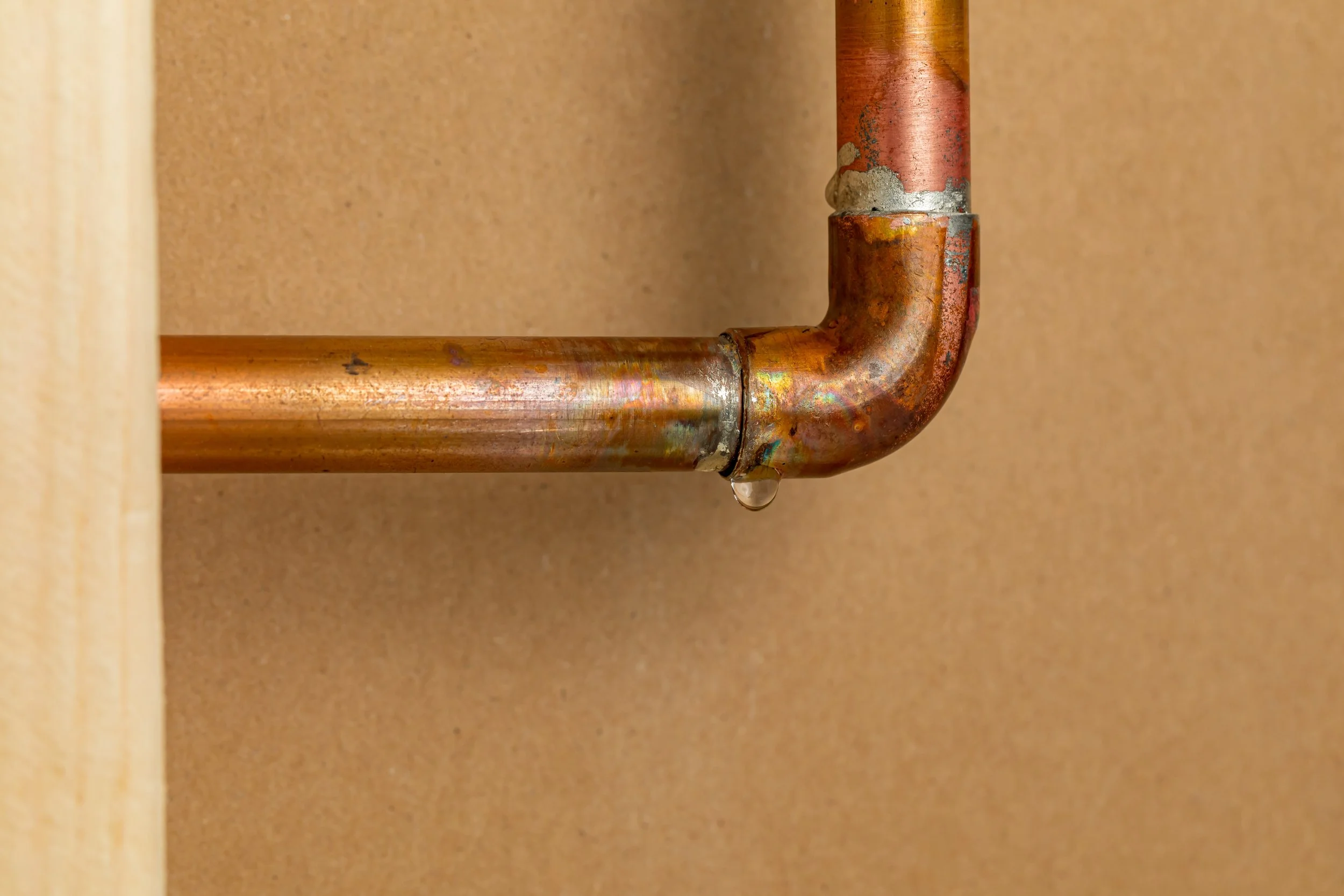
Sweeping Public Health Initiative Counts Down to 2037. Last week, I spoke on behalf of the New York League of Conservation Voters about a public health crisis hiding in plain sight. New York State has an estimated 250,000 to 555,000 confirmed lead service lines, with over 950,000 additional unknown lines that may contain lead. In Westchester County, where I spoke to the Board of Legislators, more than half of the 183,000 water service lines, 50.88 percent, are confirmed or possibly made of lead. That is 93,200 lines carrying water into homes, and disproportionately so in older, low-income buildings where aging infrastructure often goes uninspected for years. Lead exposure can cause serious and irreversible harm to the brain, kidneys and other organs. This is not a someday problem.
The federal government has mandated that all lead pipes be replaced and properly disposed of by November 1, 2037. New York State is developing guidelines to help water systems complete that work quickly, efficiently, equitably and safely. Westchester Assembly Member Amy Paulin is a co-author of legislation aimed at creating a comprehensive solution.
But while Albany works through that process, there is action communities can take now. Replacing a lead pipe is only part of the job. We also need to make sure that removed pipes are disposed of properly and do not end up illegally dumped in parks, streams or elsewhere in our communities.
This week, advocates, policymakers and community leaders put concerns about lead plumbing at the top of agendas at Climate Week NYC, raising concerns about changes in source water chemistry due to rising global temperatures and more local crises in extreme weather and flooding—all of which stress the quality of drinking water. While big climate ideas were on tables across NYC, so were discussions about how to engage the public in conversations about what climate change means to what happens on the ground.
The work of building healthier, more resilient communities sometimes begins with something as basic as the pipe carrying water into a family’s home.
Transportation
"Fast, free buses" aren't just a New York City campaign promise, and a Climate and Community Institute report argues cities nationwide can pursue them despite federal transit cuts. Eliminating fares boosts ridership 56% on average, while faster routes help people reach jobs, health care, and school. And since fares covered just 13% of U.S. transit operating costs in 2024, going free costs less than you'd think. Learn more about how states and cities can make it happen. (Source: Streetsblog)
Gothamist: NYC’s vintage Bus Fest returns with double-decker coach from 1918
AMNY: Top MTA official says agency on track to finish major structural repair work at 7 line station in Queens next year after delays
Mass Transit Magazine: NJ Transit, Amtrak to being final phase of Portal North Bridge cutover work on 10/9
Climate
In a new study, individual climate action proves to reinforce collective change, rather than competing with it. For years, discourse has existed about whether promoting everyday habits like recycling, eating less meat, and biking could “crowd-out” support for climate policy, since people feel they have done their part at home. 2,778 people found the opposite: those who take more individual climate action also supported environmental petitions, switching to electric vehicles, and mandated emissions targets. Read more about the statistical findings and nuances of the study here. (Source: Happy Eco News)
Inside Climate News: How Florida ties localities’ hands on everything from environmental regulation to worker protections
Grist: Michigan invests $7.5M to find out if it’s sitting on a clean energy gold mine
Canary Media: Mazama Energy raises $135M for superhot geothermal at Oregon volcano
Economic Development
NYC Comptroller Mark Levine and the Trustees of four city pension funds have committed $300 million to the AFL-CIO Housing Investment Trust (HIT), which finances union-built workforce and affordable housing. The allocation makes the funds HIT’s largest investor, deepening a 25-year partnership. Since 2002, the pension funds have invested $583 million with HIT at returns meeting or beating benchmarks, and HIT has created or preserved more than 40,000 units citywide. Officials expect the latest investment to support roughly 10,000 more homes over the next five years. Read here to learn how the Comptroller is investing in housing construction and preservation across New York City. (Source: Labor Press)
Smart Cities Dive: US transit bus industry generated $1.1B in federal, state, and local tax revenue in 2025: report
The City Reporter: To spur more housing, NYC voters weakened Pols’ power. One still wants a say.
Planetizen: Amtrak’s $6B tunnel project moves closer to a faster Northeast Corridor
Digital
Virginia Governor Abigail Spanberger announced the Data Center Accountability Framework and signed Executive Order 22 to set new rules for how Virginia approves data centers and manages their effects on electricity costs, water, land and local communities. The plan would end by-right approval for facilities using more than 25 megawatts, ban non-disclosure agreements on commercial projects, shift more grid costs onto large customers, and create an AI task force, with some provisions needing General Assembly approval in the 2027 session. Read more to learn how Virginia's approach compares with recent moves in New York, Floridaand Illinois, and what the framework could mean for communities, workers and the power grid. (Source: GovTech)
Route Fifty: How better forms could help New Jersey improve maternal health care
TechCrunch: Is the AI Industry really ready to slow down?
Forbes: Move over STEM. Humanities degrees are poised for a comeback thanks to AI
About Arch Street Communications
At ASC, we help government agencies, corporations and nonprofit organizations across the globe communicate issues that affect people’s lives. We’re the bold, nimble, women-owned small business (WBE) that has supported strategic communications programs to build stronger communities for 30 years.
Ready to find the “simple truth” solutions to build a better future? We want to hear from you! Get in touch to learn how our signature approach can work for you.
Subscribe to Arch Street Communications' Newsletter Intersections