ASC's Intersections Newsletter — February 27, 2026
🎧 Listen to this article
Nora's Note
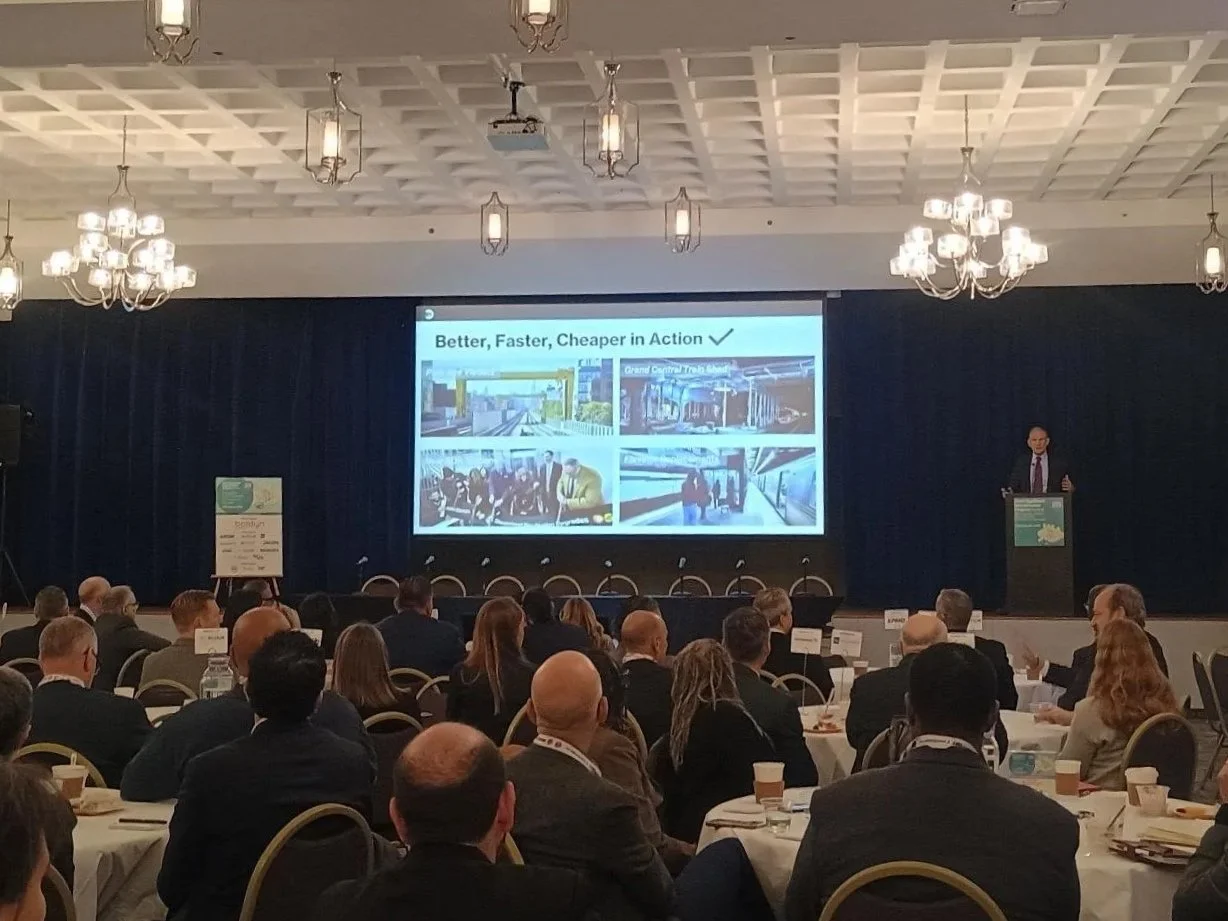
Future-Proofing New York. State leaders, agency officials, developers, engineers, and private-sector partners gathered at the Most Significant Infrastructure Projects Summit hosted by City & State this week. Resilience — and its impacts on economic development, affordability, public health, and equity — was the central theme as agency leaders from the MTA, the Port Authority of New York and New Jersey, Empire State Development, and city agencies discussed public-private partnerships to accelerate delivery, reduce costs, and drive innovation in transportation and other infrastructure projects to address future risks, coastal flooding among them. Speakers emphasized how investments in resilience can create jobs, attract investment, and stimulate local economies. Adrienne Kanter, ASC Deputy Director of Stakeholder Engagement, highlighted ASC’s community-based planning approach as an essential launchpad for collaborative resilience planning. For us, being in the room matters: we support clients at the intersection of policy, infrastructure, and communities, and staying close to these conversations ensures our strategies reflect real-time priorities, funding opportunities, and stakeholder dynamics.
Transportation
New York City saw record-breaking bicycle traffic over its East River bridges in 2025, marking the fifth consecutive year of growth, according to the Department of Transportation. On average, nearly 29,000 daily bike trips were recorded across the Brooklyn, Manhattan, Williamsburg, and Queensboro bridges between April and October. This represents roughly a 30% increase compared to a decade ago, reflecting a long-term shift toward cycling as a primary mode of transportation. City officials attribute the surge to expanded and safer bike infrastructure, arguing that continued investment in protected lanes and street redesign encourages more New Yorkers to cycle. Read more about the surge in cycling, here. (Source: AMNY)
Mass Transit: MI: Dial-a-Ride eyes expansion, new technology rollout
Smart Cities Dive: Pedestrian, biking infrastructure improvements on tap for Atlanta suburb
Gov Tech: Signal priority improves the bus ride in San Jose, CA
Climate
What if your morning coffee could help build tomorrow’s cities? Scientists have discovered that used coffee grounds can be transformed into a game-changing ingredient for stronger, lower-emission concrete. By heating and reusing the grounds, researchers are cutting carbon output while giving waste a powerful second life in construction. This circular innovation could reshape how we build, from skyscrapers to sidewalks. Read more about coffee’s role in decarbonization. (Source: Happy Eco News)
Inside Climate News: New Jersey unions create a coalition focused on decreasing energy costs and creating solar jobs
Virginia Mercury: What is ‘performance-based regulation,' and how can it lower utility bills?
Inc: How an ‘Infinity Mirror’ device could help solve AI’s biggest problem
Economic Development
New York City’s expedited affordable housing process kicks off in the Bronx. In the South Bronx, a new 84-unit affordable apartment complex with dedicated units for formerly homeless individuals and a workforce development center will be the first development to benefit from the Expedited Land Use Review Process (ELURP) for affordable housing and resilience projects. At an event last week, Deputy Mayor for Housing Leila Bozorg shared that the process will help meet New York City’s need for affordable housing quickly. Read more to learn how the new process will work. (Source: Bronx Times)
The City: Key vote in Manhattan: Stay in traditional public housing, or try a new path
Politico: Upstate Democrats pitch utility bill relief
New York YIMBY: Timbale Terrace breaks ground at 101 East 118th Street in East Harlem, Manhattan
Digital
Throughout state and local governments, full system digitizations spike in importance, intensifying the appetite for data center development. The central force spurring this change is AI, while equipped to handle hard computing burdens, it demands unforeseen levels of energy that American infrastructure has yet to catch up on. The public sector wants to on one end, to unlock AI’s potential for a more streamlined future, and on the other, develop legislation that serves their communities, economies, and natural resources. Legal strategy varies across states; Texas and Virginia are on the frontlines of development, while states such as Oklahoma and New York are pushing for moratoriums that allocate time to study the impacts of data centers. Read more on the developments, here. (Source: Route Fifty)
Construction Dive: Data centers can tap batteries, microgrids for faster interconnection: NEMA
MIT News: Parking-aware navigation system could prevent frustration and emissions
Forbes: How AI dairy farming puts 36 million farmers first
About Arch Street Communications
At ASC, we help government agencies, corporations and nonprofit organizations across the globe communicate issues that affect people’s lives. We’re the bold, nimble, women-owned small business (WBE) that has supported strategic communications programs to build stronger communities for 30 years.
Ready to find the “simple truth” solutions to build a better future? We want to hear from you! Get in touch to learn how our signature approach can work for you.
Subscribe to Arch Street Communications' Newsletter Intersections